
EverydayBeginner · about 10 minFree · no signup
Check whether a viral tech video holds up
A creator says his Meta Ray-Bans fed him every move against a stranger. Here's how setups like this work, and a prompt to check whether a viral tech video holds up.
By Alan Brown
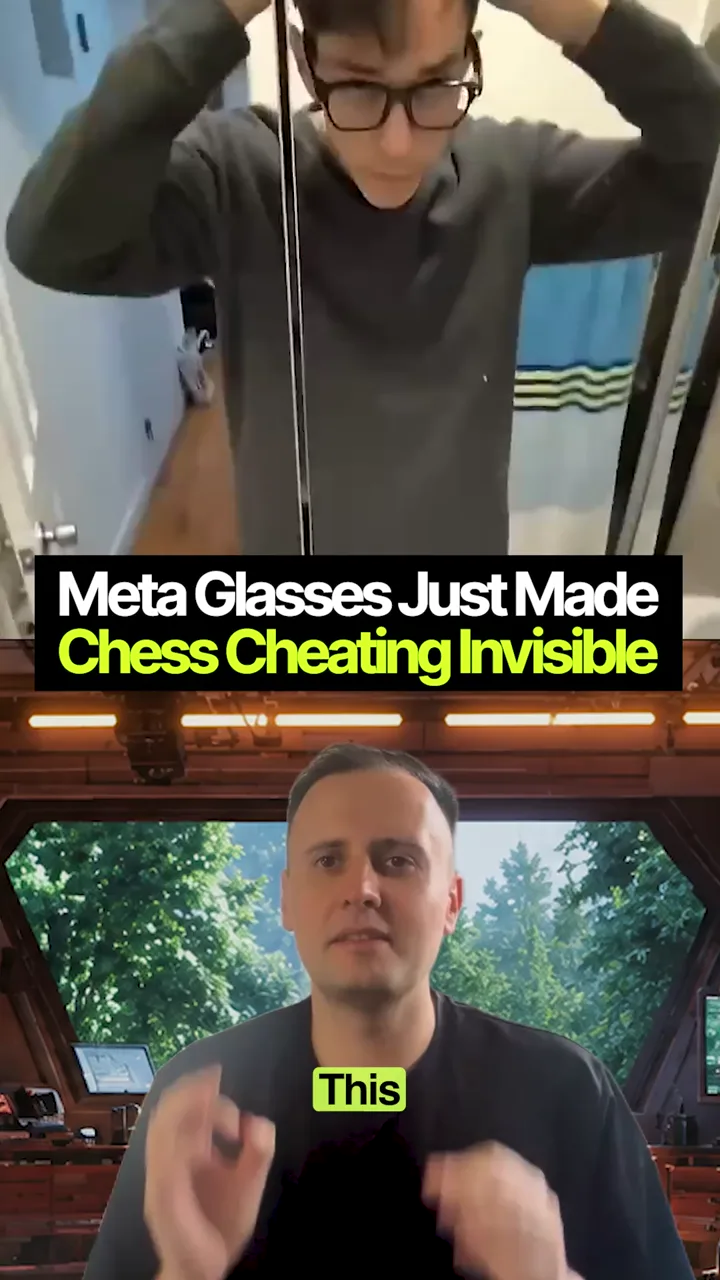
🕶️♟️ This guy says he beat a stranger at chess using his sunglasses.
- 📱 A TikTok creator, SourGrape02, says he barely plays chess, but claims his Meta Ray-Ban glasses fed him every move in a park game against a stranger.
- 🧠 Setups like this work in steps: the glasses' camera watches the board, an AI model reads where every piece is, and the Stockfish chess engine picks the best move.
- 🔊 An open-source "chesshacker" project speaks the move through the glasses' speakers, so the wearer never looks at a screen: www.ibtimes.co.uk/meta-ray-ban-smart-glasses-ai-chess-cheating-1828410
- 🧐 GothamChess wasn't impressed: the clock didn't seem to be running, and the opening was a well-known beginner trap: www.dexerto.com/youtube/gothamchess-blasts-tiktokers-viral-meta-glasses-chess-cheating-stunt-not-impressed-3421387/
- 🎰 Casinos such as Caesars Palace, plus cruise-ship casinos, already restrict smart glasses on gaming floors over recording and cheating concerns: www.gadgetreview.com/?p=411518
Context & limitations
The video may not prove anything, but the tech is real. Use the prompt below next time a viral clip looks too good to be true.
Do this yourself
Viral tech clips often mix a real capability with a staged moment. Separating "could this work?" from "did this actually happen?" stops you sharing something misleading and helps you see the real risk.
Want to build this with a teacher?
Pathwise Academy runs small, hands-on AI classes in Singapore for ages 10–17 and adults.