
Check a brain-implant claim against the evidence
A brain implant that skips the eyes and writes straight to the visual cortex. Separate what's been demonstrated from what's been promised.
By Alan Brown
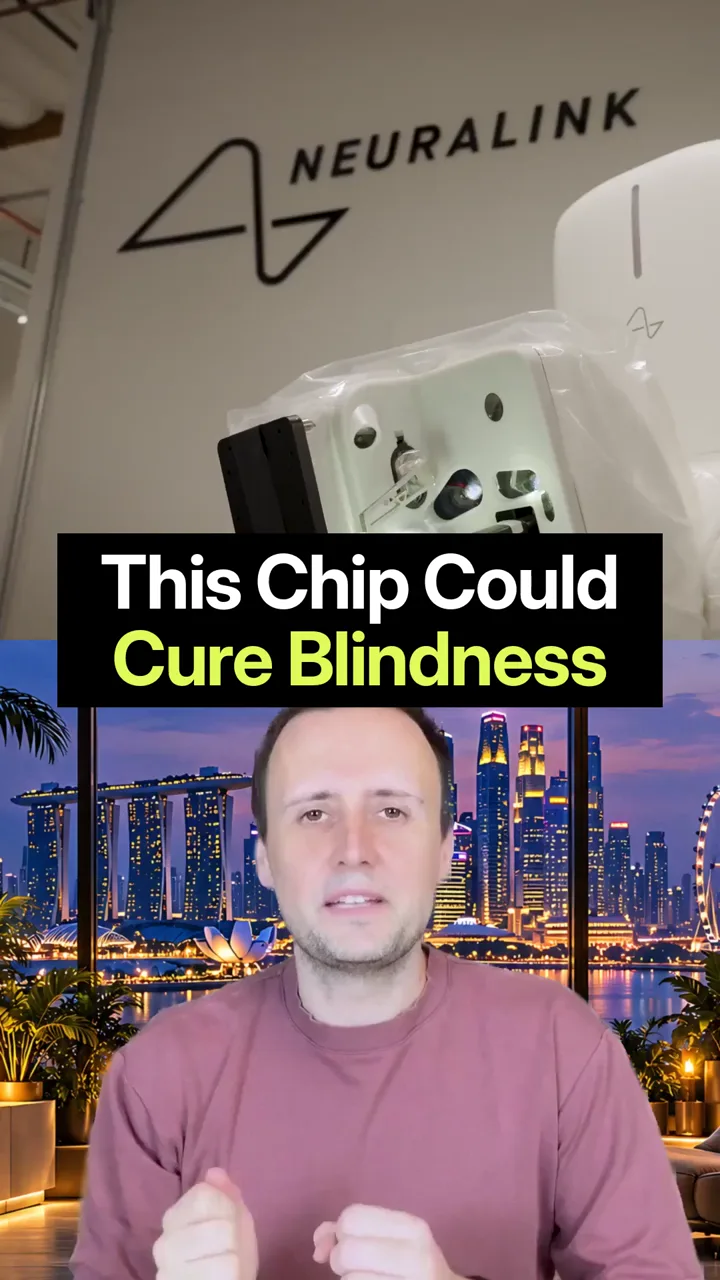
🧠👁️ Elon Musk says Neuralink can make blind people see again, with a brain implant that skips the eyes completely.
- 🔌 It's called Blindsight. Instead of fixing the eyes, the implant is designed to write signals straight onto the visual cortex, the part of the brain that builds the picture you see.
- 🐒 Musk says one monkey has had a visual implant for three years.
- 🔭 Early vision is expected to be low resolution. Long term, Musk claims people could see in infrared, ultraviolet and even radar.
- 🏛️ The FDA gave Blindsight Breakthrough Device designation in September 2024: www.reuters.com/business/healthcare-pharmaceuticals/musks-neuralink-receives-fdas-breakthrough-device-tag-brain-implant-2024-09-17/
- ⏳ Musk says it's ready from an engineering standpoint and is waiting on regulatory approval.
Context & limitations
A breakthrough designation speeds up review; it isn't approval, and no human has a Blindsight implant yet. Use the prompt below to separate the evidence from the promises.
Do this yourself
Medical-tech headlines mix regulatory steps, animal results and founder predictions. Sorting each claim by its evidence shows how close a device really is.
Want to build this with a teacher?
Pathwise Academy runs small, hands-on AI classes in Singapore for ages 10–17 and adults.