
Creating contentBeginner · about 10 minFree · no signup
Could AI change the ads inside a movie?
Explore AI-assisted brand placement in video, check what Tencent actually offers, and weigh the trade-offs for viewers and creators.
By Alan Brown
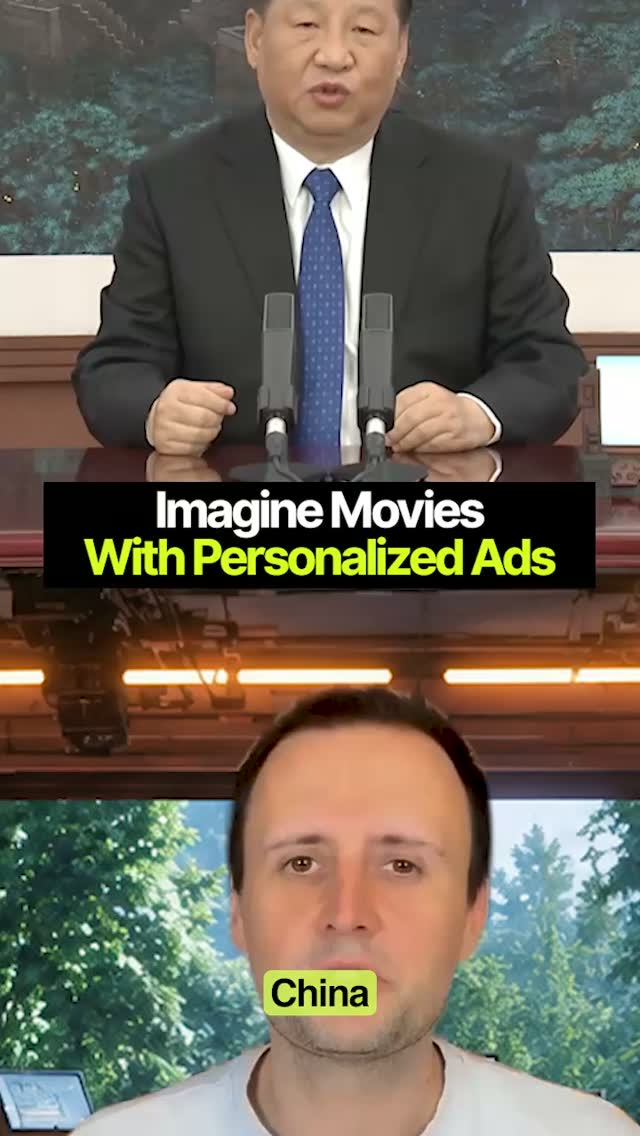
🎬 Could the same scene show different brands to different viewers? The reel explores AI-assisted product placement and asks where personalised advertising crosses a line.
- 🤖 Tencent’s official advertising page describes AI-assisted scene analysis for selecting moments where a brand can appear in video content. This is Tencent’s description of its product.
- ☕ The reel’s Starbucks-versus-Costa example illustrates viewer-specific placements. It does not, by itself, establish that this is a deployed Tencent feature.
- 📺 Scene-based placement and personalising a placement for each viewer are different capabilities. The prompt below asks AI to find evidence for each separately.
- 🔎 Questions worth exploring: would viewers know a scene was altered for advertising, what data might guide the choice, and who approves the change?
Context & limitations
The reel asks whether this is clever marketing or too much advertising. Use the prompt below to check the claims and explore both sides.
Do this yourself
CHECK THE EVIDENCE
Start with Tencent’s official product description: https://kafws.tencentads.com/Product/Detail/24/1440 . Find current official product pages, case studies, technical documentation, research papers and independent reporting. State the date checked and link each factual claim to its source. Label vendor statements as vendor claims. If you cannot browse, ask me to provide sources rather than inventing details.BE PRECISE
Explain what has been demonstrated or sold, where it is available, and how a brand is inserted into a scene. Distinguish scene- or dialogue-based placement from viewer-specific personalisation. Check whether viewers actually receive different brands according to location, preferences or profiles; do not assume this from the Starbucks/Costa example in the video. Treat that example and revenue forecasts as illustrative unless reliable evidence confirms them. Explain what “AI” does in the workflow and what may still require human production or approval.ASSESS THE TRADE-OFFS
Make a table with columns: potential benefit, concern, who is affected, and evidence or open question. Cover disclosure, viewer consent and control, data used for targeting, editing or licensing rights, brand safety, cultural context, and the effect on a film’s creative integrity. Check relevant current rules for the market discussed and link official sources; do not give legal advice.FINISH WITH
Write a neutral 150-word summary, three questions viewers and filmmakers should ask, and two balanced discussion prompts. Separate verified facts, vendor claims, examples and speculation. Avoid sensational claims such as “ads hidden in plain sight” unless you explain the limits and make clear whether a placement is disclosed.Ask an AI with web access to compare vendor claims with independent evidence and separate scene-based placement from personalised ads.
Want to build this with a teacher?
Pathwise Academy runs small, hands-on AI classes in Singapore for ages 10–17 and adults.