
Pathwise AcademyOnline & In-Person AI ClassesIdea to BuildCreators Club · Ages 10–17Marketing with AI · AdultsCorporate WorkshopsHackathons for SchoolsSingaporeHong Kong
Pathwise AcademyAI classes for kids & adults
Find a class →Log in
← All free guides
Building appsBeginner · about 15 minFree · no signup

Test whether sensors and an algorithm could replace a physical job

Draw a boundary on a phone, and a solar collar steers each cow with sound and vibration. Then the same collar starts learning the herd.

By Alan Brown
Jump to the prompt ↓

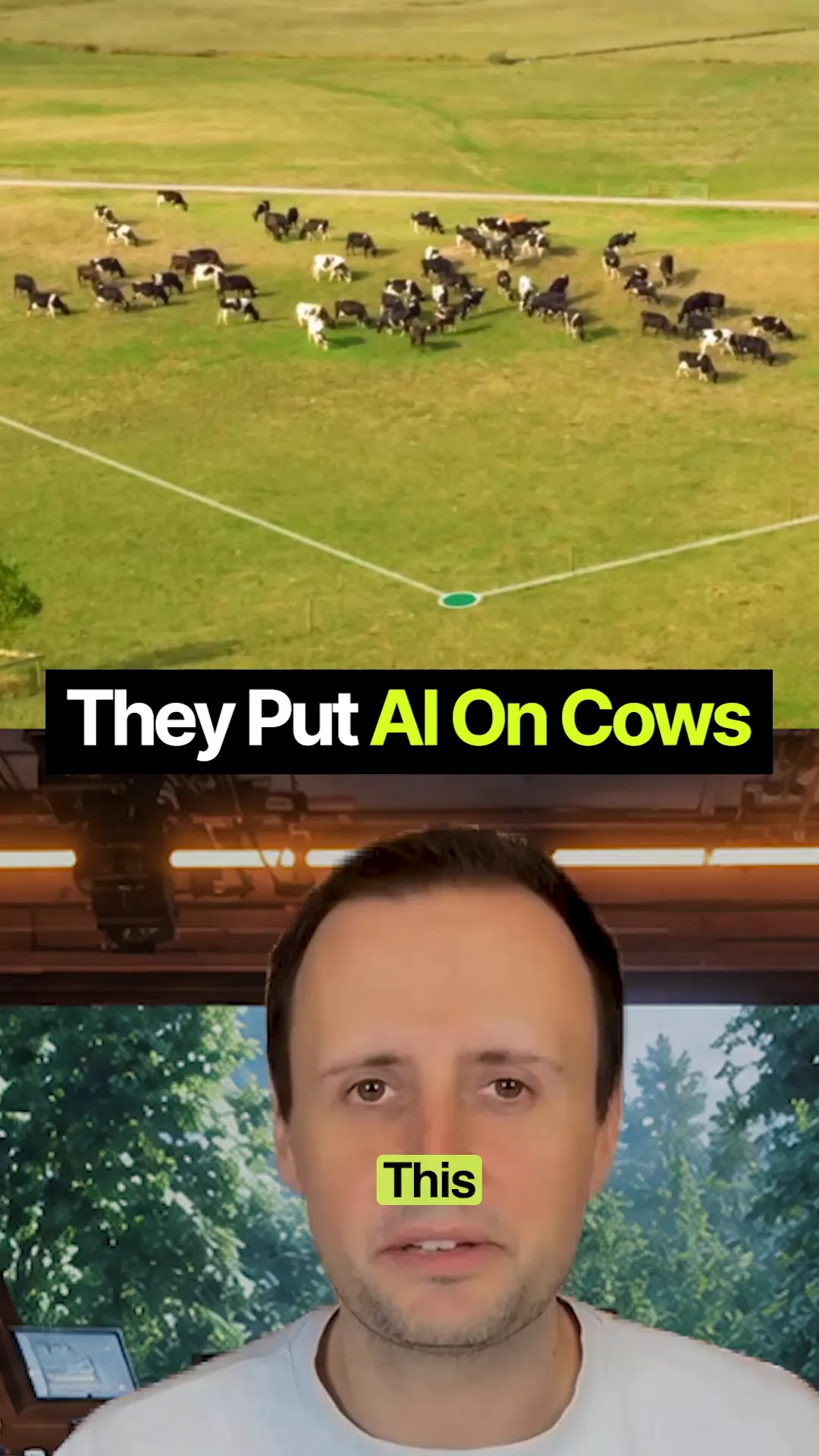
🐄 This startup replaced cattle fences with a collar and an algorithm.

  • 🇳🇿 It's called Halter, out of New Zealand. Farmers draw boundaries on a phone app, and solar-powered smart collars guide each cow with sound and vibration cues to keep it inside the virtual fence.
  • 🧠 The collars also feed machine learning models that track grazing, flag health problems early and spot peak breeding times. Halter says that saves farmers hours of labour every week.
  • 👨‍🌾 Founder Craig Piggott grew up on a dairy farm in Waikato watching his parents work brutal hours, and built Halter to fix it. His parents still use it.
  • 💰 The company is now valued at around $2 billion.
  • 📚 The earlier Halter video, and a prompt on what a product like this builds up beyond its first job: The cows wear the fence

Context & limitations

It isn't only sound and vibration: if a cow ignores the cues, the collar gives a low-level electrical pulse, which Halter describes in its own Animal Welfare Charter. The labour saving and the valuation are the company's and its investors' figures, so read them as claims, not measurements.

Do this yourself

Explain how a sensor-plus-algorithm system like Halter's virtual cattle fence works, then help me judge whether the same pattern could replace a physical fixture or manual job in my world: ___ (for example a gate, a checklist, a patrol, a meter reading). First, explain the Halter-style loop in plain steps, labelling what Halter publicly says versus your general explanation: 1. Sense: what the collar measures (position, movement, behaviour) and how often. 2. Decide: how a boundary drawn in an app becomes a rule an animal can learn, and what the models do with the data (grazing, health, breeding). 3. Act: the cues (sound, vibration and, if ignored, a mild electrical pulse) and how animals are trained to them. 4. Learn: what improves as more data comes in, and what doesn't. Then ask me one question at a time, up to 4, about my job: what it physically does today, how often it fails, who or what it affects, and what it costs. Finish with a short table for my case: sense / decide / act / learn, the hardware or data each step would need, the main failure mode, a welfare, safety or privacy risk, and a verdict (worth a small pilot, needs more evidence, or keep the physical version). Suggest one cheap test before anyone buys hardware. Check Halter's current official pages for figures; if you can't browse, mark any number as unverified. Treat company savings claims as claims.

Works in any AI. It walks the sense, decide, act loop behind a virtual fence, then tests whether the same loop could fix a physical job you know.

Want to build this with a teacher?

Pathwise Academy runs small, hands-on AI classes in Singapore for ages 10–17 and adults.